


PARIS is a HorizonEurope research project that aims to significantly increase our knowledge about greenhouse gas emissions, the evaluation & combination of scientific approaches and a progressive use of collaborative data.
PARIS focuses on improving how countries estimate and report their greenhouse gas emissions — gases such as carbon dioxide, methane, nitrous oxide and fluorinated gases that contribute to climate change. European countries currently compile official emissions inventories mainly from statistics about activities like fuel use, transport, and agriculture, under international agreements such as United Nations Framework Convention on Climate Change and Convention on Long-Range Transboundary Air Pollution. While this established approach works well in many cases, some emissions are more difficult to measure precisely than others. PARIS addresses this gap by combining atmospheric measurements with advanced computer models to produce independent emission estimates. These estimates help cross-check traditional inventories and improve understanding of where emissions come from and how they change over time.
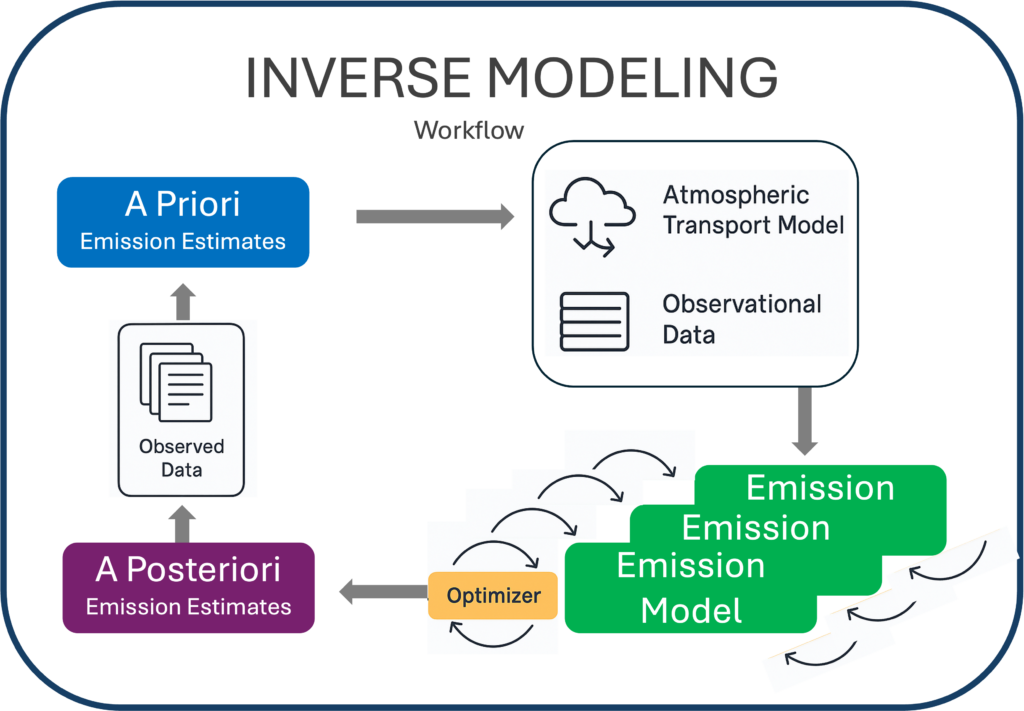
The main aim of PARIS is to create a harmonised, operational framework that links scientific measurement networks with national reporting practices. The project develops shared tools and workflows so that multiple countries can compare different estimation methods side by side. This allows experts to identify where methods agree, where differences occur, and what uncertainties remain. By standardising how atmospheric data and modelling results are used, PARIS helps inventory compilers evaluate their reports more consistently and transparently. The project also strengthens collaboration between national agencies and scientific teams, moving atmospheric verification from research experiments toward routine operational use.
The expected impact is a more reliable and transparent emissions reporting system across Europe. Independent atmospheric estimates provide an additional line of evidence that can confirm reported trends, reveal discrepancies, or highlight areas for improvement. This supports gradual refinement of national inventories and increases confidence in emissions data used for policy evaluation. Over time, the harmonised framework demonstrated by PARIS can be expanded and reused, helping build a scalable system for long-term emissions verification. Continued cooperation, infrastructure support, and alignment with reporting standards would allow these methods to become a durable complement to conventional inventory practices.


